
Travel trade
Tourism Trade Events in India: A Tour Operator’s Guide
Choose an event by the commercial decision you need to make. A trade fair helps you compare several suppliers quickly, a summit gives you time for scheduled conversations and sessions, and a focused roadshow can help you meet operators from one market. Ask organisers how meetings are arranged before committing travel or staff time.
- Write one decision you want the event to help you make.
- Check who can attend each meeting format before booking.
- Budget the team’s follow-up time.
What do you need to achieve?
Write the decision you want to make after the event. A domestic operator considering a new Kerala circuit might want two viable ground-handling partners and one property that can take a room block. A supplier selling to the trade might need to learn whether its product fits the leisure, educational or incentive market. Those objectives call for different meetings.
How do event formats compare?
Use a fair to compare like-for-like suppliers and inspect their sales materials. Use a summit to pair a learning session with targeted appointments. A roadshow suits a market-specific introduction. A familiarisation visit gives you first-hand evidence about an experience, service or route. Ask whether appointments are pre-booked and what access each pass includes.
How do you judge trade fit?
Check the published audience, the proportion of your target market represented in the list you can verify, and whether you can contact prospects beforehand. Estimate travel, staff time and follow-up work as well as the admission fee. Record the minimum set of meetings or decisions that would justify the trip.
What should you do after choosing?
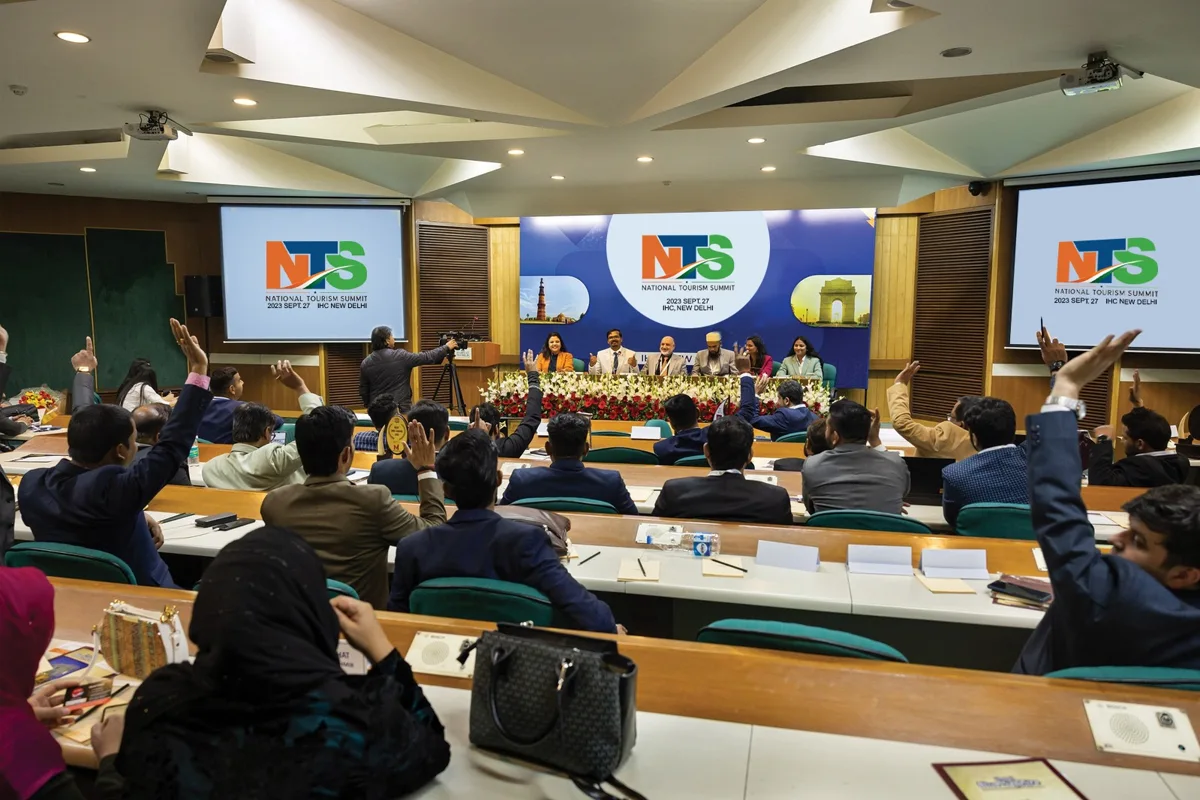
Block time before departure to book meetings and after return to assign actions. Assess the event by decisions made and qualified opportunities advanced. The National Tourism Summit archive gives examples of how a rotating host destination can shape the destination products on the floor.